7 Signs Your Kid Needs Glasses (and What to Do Next)
December 11, 2025
Kids rarely tell you when they cannot see clearly. Most of the time, they assume everyone sees the world the same way they do. That is why vision problems in children often show up first as behavioral changes.
What Causes Vision Problems in Kids?
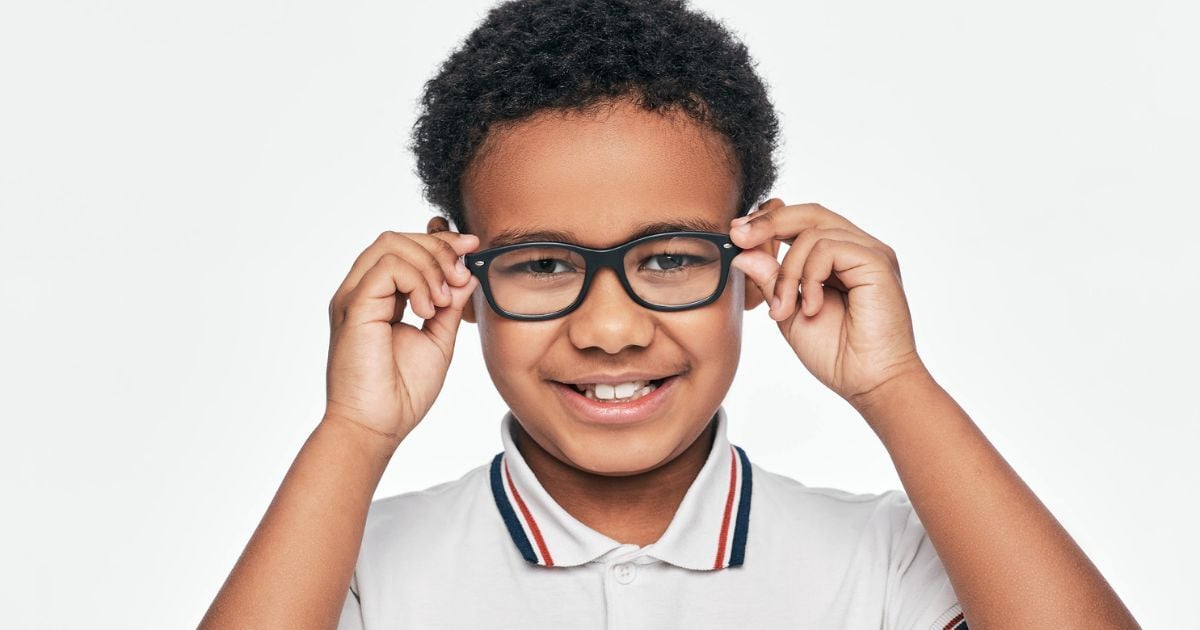
Vision issues in children usually happen because the eyes are still developing and changing. During childhood, the eyes grow rapidly, and this can alter how light focuses inside the eye, which is why these conditions may suddenly appear or change from year to year.
The most common vision problems are:
- Myopia (nearsightedness): Distance vision looks blurry, but near objects look clear.
- Hyperopia (farsightedness): Near tasks are harder, especially reading or writing.
- Astigmatism: Vision looks stretched or distorted at any distance because the eye is shaped differently.
The school years are a critical time for screening because vision demands increase. Kids read more, copy from the board, and spend more time on close work, so even small vision changes can impact learning and confidence.
Regular pediatric eye care helps catch these issues and keeps your child seeing clearly as they grow. Read How Eye Exams Help Kids Succeed in School for more information.
The Most Common Signs Your Kid Needs Glasses
Here are the symptoms parents notice most often. These patterns appear in everyday routines and are frequently the earliest signs that your child is not seeing clearly.
1. Squinting or Tilting the Head
Squinting helps sharpen objects that look blurry. You might also see your child tilt or turn their head to get a clearer view. Both habits are common signs that their eyes are working harder than they should.
2. Sitting Too Close to Screens or the Classroom Board
Kids often move closer to the TV, tablet, or classroom board when they cannot see well from a distance. At school, this might look like difficulty seeing the teacher’s writing or struggling to copy notes from the board because the words look blurry.
3. Frequent Headaches or Eye Strain
Regular headaches (especially around the forehead) can point to vision problems. Some kids rub their eyebrows or forehead after reading or using screens because their eyes feel tired from trying to stay focused.
4. Eye Rubbing, Excessive Blinking, or Watering
Children rub their eyes when they are trying to clear blurry or uncomfortable vision. Blinking more than usual or eyes that water easily can also show that the eyes are strained.
5. Losing Their Place While Reading
If your child skips words, mixes up lines, or reads much more slowly than usual, they may be struggling with focusing or tracking. Clear vision plays a significant role in keeping place while reading.
6. Avoiding Reading or Near Work
Kids might say books are “boring” or “hard,” but sometimes the real issue is that reading up close feels uncomfortable or blurry. Uncorrected farsightedness makes near tasks tiring, which leads kids to avoid them.
7. Covering One Eye
Children sometimes cover an eye when one eye sees better than the other. This can happen with focusing issues, eye alignment concerns, or early amblyopia.
When Do Kids Need Glasses?
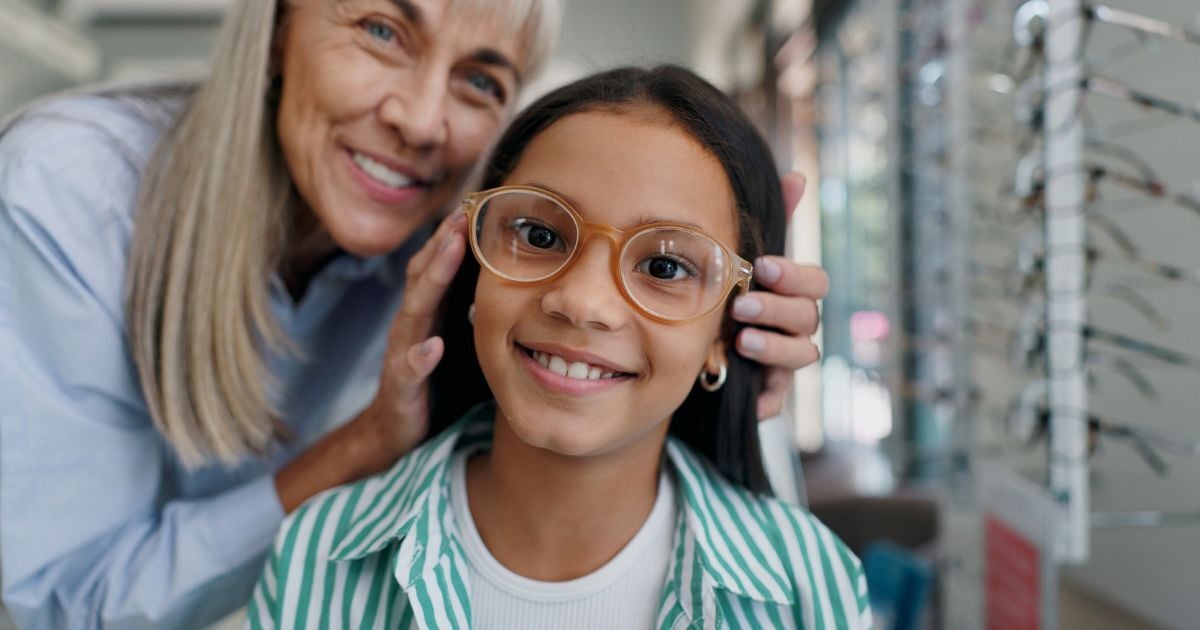
Kids need glasses whenever vision interferes with learning, comfort, or daily activities. If your child struggles to see the board, avoids reading, or shows signs of eye strain, glasses can help. Even a mild prescription can improve confidence, behavior, and overall academic performance.
What About Contact Lenses for Kids?
Contact lenses can be a good option for certain children. They may help active kids who play sports or teens who feel self-conscious about wearing glasses. Contacts can also provide clearer vision for some prescriptions.
However, safety and hygiene matter. Children must be able to handle cleaning routines, store their lenses properly, and report any discomfort. An eye care provider can help you decide whether contacts are appropriate for your child.
What Is Vision Therapy for Kids?
Vision therapy is a guided program that helps with skills like tracking, focusing, and eye coordination. It is useful for children who have trouble keeping their place while reading, switching focus between near and far tasks, or using both eyes together.
Vision therapy is not a replacement for glasses, but it can be part of a treatment plan when specific visual skills need strengthening. An evaluation can show whether your child would benefit from this type of care.
What Happens During an Eye Exam for Kids?
Eye exams for kids are simple, painless, and quick. They provide a clear picture of how well your child sees and whether they need glasses. These exams also help catch issues that kids may not recognize or report on their own.
A basic vision screening, like the kind done at school, only checks how well your child reads letters from a distance.
A comprehensive pediatric eye exam goes much deeper. It evaluates clarity, focusing ability, eye alignment, depth perception, and overall eye health. The provider may also look for early signs of conditions such as myopia, farsightedness, or astigmatism.
During the visit, your child may:
- Read letters, shapes, or pictures on a chart.
- Look through lenses to compare what appears clearer.
- Follow a light or object to check tracking and eye movement.
- Have each eye tested separately and then together.
- Complete simple depth-perception or 3D vision tasks.
When to Schedule an Eye Exam
School-aged children should have a yearly eye exam. Vision can change quickly during growth, and regular checks help catch problems early. Early care helps your child stay comfortable, focused, and ready to learn.
But when in doubt, check it out. If you are unsure whether your child’s vision is affecting their daily life, an exam is the easiest way to get clear answers.
Helping Your Child See Clearly Starts Here
If you have noticed any of these signs, or if something just feels “off” about how your child sees, scheduling an eye exam is the best next step.
Schedule an appointment for your school-aged child or teen with Heart of Texas Eye Care today or call us at (512) 213-2220. We serve patients in Dripping Springs, Austin, Kyle, Bee Cave, Marble Falls, and other surrounding areas.
Related Posts