5 Contact Lens Safety Mistakes That Can Harm Your Eyes
October 29, 2026
Contact lenses are a convenient way to correct your vision, but proper contact lens safety is important for keeping your eyes healthy. Everyday habits, such as wearing lenses too long or skipping cleaning steps, can increase your risk of irritation, infection, and other complications.
Here are five common contact lens mistakes to avoid and what you can do to protect your eyes.
1. Cleaning or Storing Contact Lenses Incorrectly
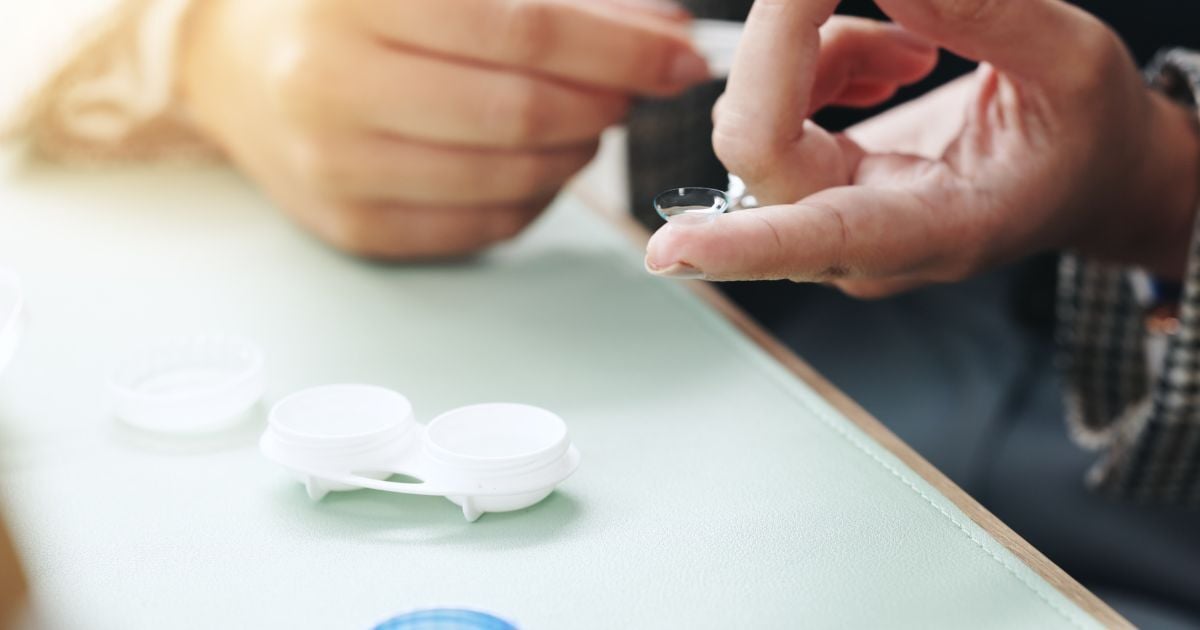
Poor cleaning and storage habits allow bacteria and other microorganisms to build up on your contact lenses, increasing the risk of irritation and infection. Even small shortcuts in your daily routine can make a difference.
Common mistakes to avoid include:
- Handling lenses without washing your hands: Wash your hands with soap and water, then dry them with a clean, lint-free towel before touching your contacts. This helps prevent germs and debris from transferring to your lenses.
- Reusing or topping off old contact solution: Always discard used solution and fill your lens case with fresh disinfecting solution. Adding new solution to old solution can reduce its effectiveness and allow microorganisms to survive.
- Using expired or incompatible products: Check expiration dates and follow the instructions for your specific lenses and cleaning solution. Hydrogen peroxide systems require a special case and complete neutralization before lenses can be worn.
- Cleaning lenses with water or saliva: Tap water, bottled water, and saliva are not sterile and can introduce harmful microorganisms, including Acanthamoeba. Use only products recommended for your lenses, and remember that saline solution alone does not disinfect them.
- Not cleaning your contact lens case: Empty the case after each use, clean it with the recommended fresh solution, and allow it to dry as directed. Replace your case at least every 3 months, or according to your eye doctor's or the manufacturer's instructions.
Always follow the cleaning and storage instructions for your specific contact lenses and disinfecting solution. Different lens materials and care systems may require different steps.
If you wear daily disposable contacts, discard them after each use. They are not designed to be cleaned, stored, or worn again.
2. Wearing Contact Lenses Longer Than Recommended
Contact lenses have specific wearing and replacement schedules designed to protect your eye health. Wearing them longer than recommended can lead to protein deposits, irritation, discomfort, and an increased risk of infection.
There are two schedules to keep in mind:
- Daily wearing time: How many hours you can safely wear your contacts before removing them. This depends on your lens type and your eye doctor's recommendations.
- Replacement schedule: How often you need to replace your lenses with a fresh pair, such as daily, every two weeks, or monthly.
For example, you might assume your monthly lenses will last longer if you only wear them a few times a week. However, monthly lenses are generally replaced according to their prescribed schedule after opening, not based on how many times you wear them. They are also not intended to be worn continuously for a month unless specifically prescribed for extended wear.
What should you do instead? Follow both the daily wearing time and the replacement schedule recommended by your eye doctor. Do not extend either schedule simply because your contacts still feel comfortable.
If you are unsure which replacement schedule fits your routine, read our guide Daily vs. Monthly Contact Lenses: Which Is Right for You?
3. Sleeping in Your Contact Lenses
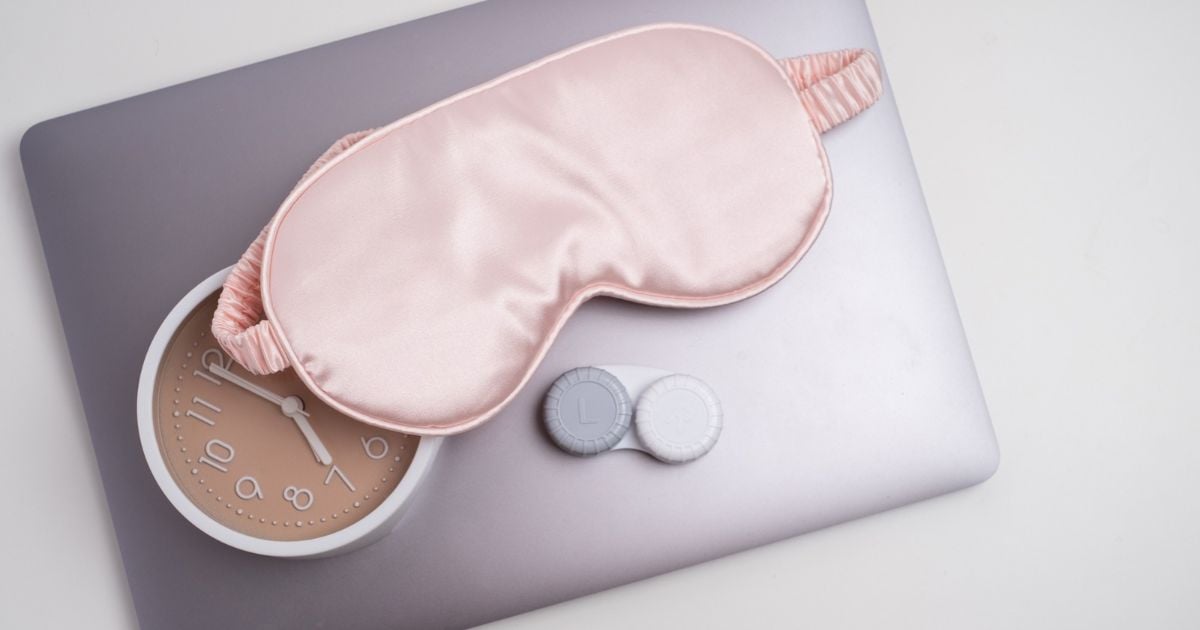
Falling asleep with your contact lenses in, even for a short nap, can increase your risk of an eye infection. You may have done it before without any problems, but that does not mean it is safe.
When your eyes are closed, less oxygen reaches the cornea (the clear outer layer of your eye). Contact lenses can further reduce oxygen availability and affect the eye's natural defenses. This increases the risk of microbial keratitis, a potentially serious infection of the cornea that can threaten your vision.
Even contact lenses approved for extended wear carry an increased risk of infection when worn overnight. You should only sleep in your lenses if your eye doctor has specifically prescribed them for overnight use.
If you accidentally fall asleep wearing contacts, do not force them out if they feel stuck. Use contact lens-compatible rewetting drops to help loosen them. If you still cannot remove them comfortably, contact your eye doctor for guidance. Seek prompt care if you experience pain, redness, light sensitivity, or blurred vision.
4. Swimming or Showering While Wearing Contacts
Water from swimming pools, lakes, hot tubs, and showers can expose your contact lenses to harmful microorganisms. Even chlorinated pool water is not sterile, so wearing contacts while swimming or showering can put your eyes at risk.
One concern is Acanthamoeba, a microscopic organism found in water that can cause Acanthamoeba keratitis. This rare but serious infection affects the cornea and can lead to permanent vision damage.
Water can also cause soft contact lenses to change shape, swell, or stick more tightly to your eyes. This can cause irritation and make the lenses harder to remove. So always remove your contact lenses before swimming, showering, or using a hot tub.
If your contacts accidentally get wet, remove them as soon as you can safely do so. Discard daily disposable lenses. If you wear reusable lenses, either throw them away or disinfect them overnight using the appropriate contact lens disinfecting system before wearing them again.
5. Ignoring Eye Irritation or Signs of Infection
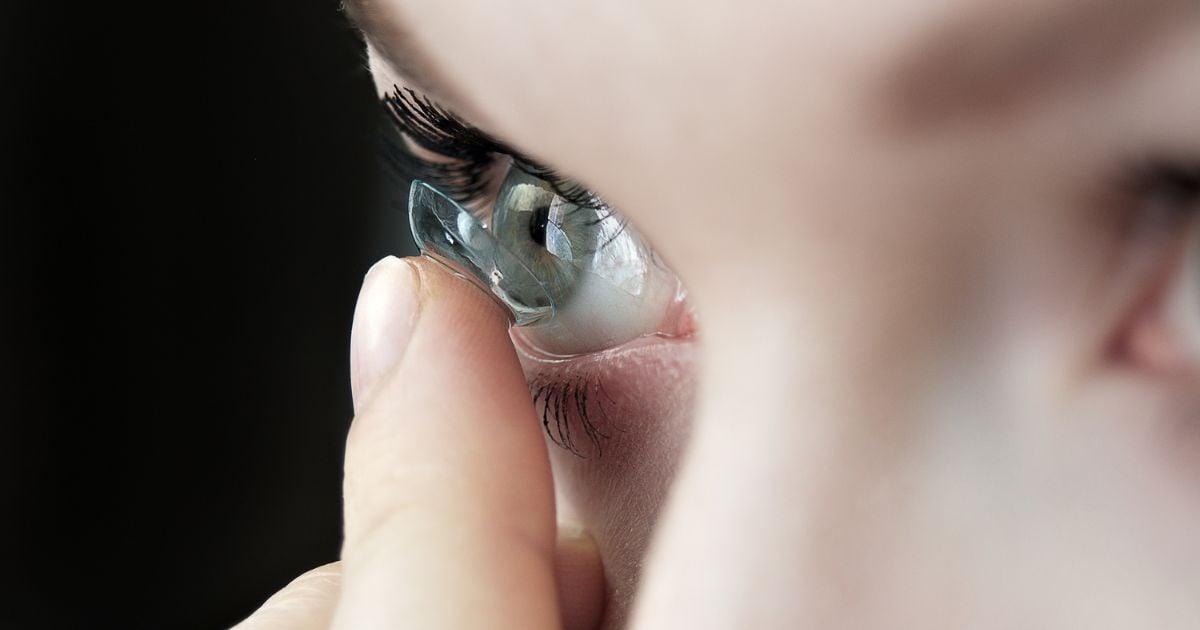
Eye pain, unusual redness, light sensitivity, or blurred vision while wearing contact lenses can signal a potentially serious problem. Although mild dryness or occasional discomfort can occur, persistent or worsening symptoms should never be ignored.
Watch for these warning signs:
- Persistent or worsening redness: Especially when it affects one eye or does not improve after removing your lenses.
- Eye pain or unusual discomfort: Pain that develops suddenly or feels more severe than typical dryness.
- Increased sensitivity to light: Bright light becomes uncomfortable or painful.
- Blurred or reduced vision: Your vision becomes cloudy, blurry, or noticeably worse than usual.
- Unusual tearing or discharge: Excessive watering or discharge that is different from what you normally experience.
- A white or cloudy spot on the cornea: A visible spot on the clear front surface of your eye that may indicate a serious infection.
These symptoms can have several causes, including corneal irritation, inflammation, or infection. Some contact lens-related infections can progress quickly and threaten your vision without prompt treatment.
What Should You Do if You Notice These Symptoms?
If you experience any of these warning signs:
- Remove your contact lenses immediately. Do not put them back in until an eye care professional confirms it is safe.
- Contact your eye doctor as soon as possible. Eye pain, light sensitivity, vision changes, or a white spot on the cornea require urgent, same-day evaluation.
- Avoid treating the problem yourself. Do not use leftover prescription eye drops or home remedies to treat a suspected infection.
- Keep your lenses and case available. Your eye doctor may want to examine them to help identify the cause.
Do not wait several days to see whether symptoms improve. Early evaluation and treatment can help prevent complications and protect your vision.
Protect Your Eyes With Better Contact Lens Habits
Healthy contact lens habits can help you enjoy clear, comfortable vision while reducing your risk of eye problems.
At Heart of Texas Eye Care, our team can help you find the right contact lenses and provide personalized guidance on proper lens care. Call us at (512) 213-2220 or schedule a contact lens appointment online to keep your eyes healthy and your vision clear.
Related Posts