Evaporative vs Aqueous Dry Eye: Why the Difference Matters for Treatment
April 23, 2026
There are two main types of dry eye: evaporative and aqueous-deficient. Knowing the difference is important for identifying the specific cause of your symptoms. The right diagnosis helps guide treatment and improves long-term comfort.
To understand the types of dry eye and their treatments, let’s start with the tear film.
How the Tear Film Works (and Where Problems Begin)

Your eyes remain comfortable because a thin layer of tears covers the surface. This is called the tear film, and it has three parts that work together.
- The oil layer is the outer layer. It slows down evaporation and keeps tears from drying out too quickly. This helps your eyes stay comfortable between blinks.
- The water layer is the middle layer. It provides moisture and delivers nutrients to the surface of your eye. This is what most people think of as “tears.”
- The mucin layer is the inner layer. It helps tears spread evenly across your eye so the surface stays smooth and protected.
When all three layers are balanced, your eyes stay hydrated and clear. But when one part is not working correctly, problems begin.
Understanding which layer is affected helps explain why your symptoms feel the way they do and why treatment needs to match the source of the problem.
What Is Evaporative Dry Eye?
Evaporative dry eye occurs when tears evaporate too quickly. Even if your eyes produce enough tears, they do not stay on the surface long enough to keep your eyes comfortable.
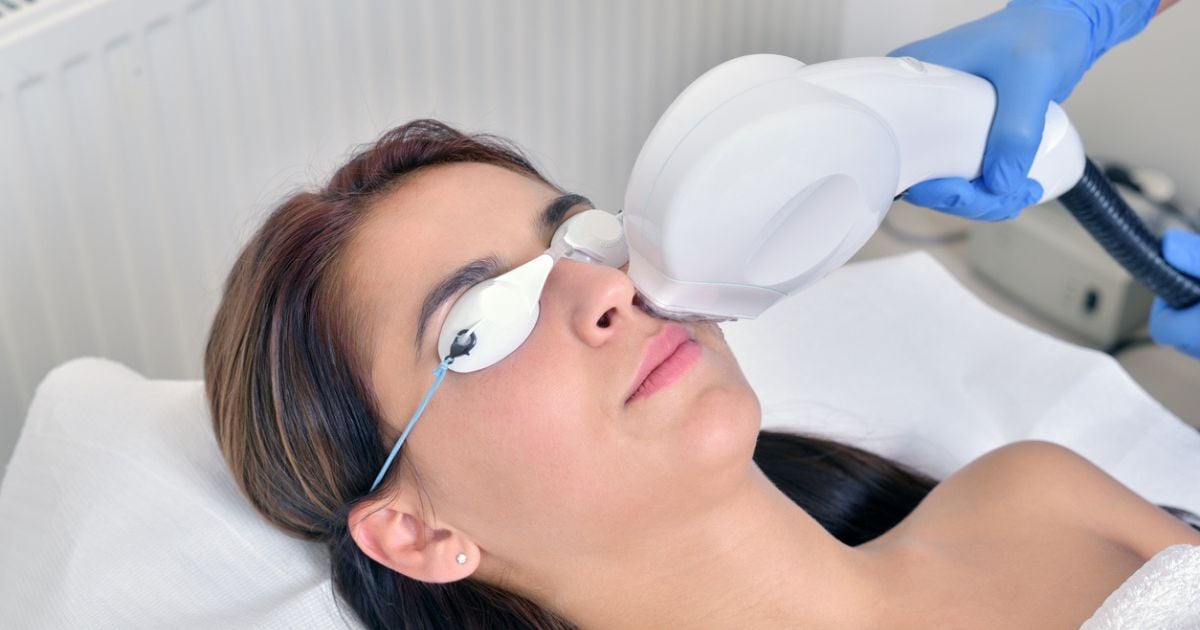
This type of dry eye is most often linked to Meibomian gland dysfunction, which affects the function of your tear film.
The Role of Meibomian Gland Dysfunction (MGD)
Your eyelids contain small oil glands called Meibomian glands. These glands release oil that forms the outer layer of your tear film.
When these glands become blocked or do not work properly, the oil layer becomes thin or uneven. Without enough oil, your tears evaporate faster than they should.
This is why Meibomian gland dysfunction is the leading cause of evaporative dry eye. It changes how long your tears can protect the surface of your eyes.
Common Symptoms of Evaporative Dry Eye
Evaporative dry eye often feels worse as the day goes on, especially during activities that reduce blinking.
You may notice:
- Burning or stinging sensations
- Fluctuating or blurry vision that improves after blinking
- Eye fatigue, especially during screen use
- Symptoms that worsen later in the day
What Causes Evaporative Dry Eye?
Common causes include:
- Screen use and reduced blinking – When you stare at screens, you blink less often. This allows tears to evaporate more quickly.
- Aging – Oil gland function can decline over time, which affects tear stability.
- Contact lens wear – Lenses can disrupt the tear film and increase evaporation.
- Environmental factors – Wind, dry air, and indoor heating or cooling can all speed up tear loss.
These factors often build over time, which is why symptoms start gradually and become more noticeable later on.
What Is Aqueous-Deficient Dry Eye?
Aqueous-deficient dry eye occurs when your eyes do not produce enough of the watery part of your tears.
Unlike evaporative dry eye (where tears disappear too quickly), this type starts with a lack of tear production. Your eyes simply do not have enough moisture to stay comfortable.
How Tear Production Becomes Limited
Your tears are produced by the lacrimal glands, which sit above each eye. These glands create the water layer of your tear film.
When they do not produce enough fluid, your eyes cannot maintain proper hydration. This leads to dryness that does not improve on its own.
Common Symptoms of Aqueous Dry Eye
Aqueous deficiency often feels steady and ongoing, rather than changing throughout the day.
You may notice:
- Persistent dryness that does not go away
- A gritty or scratchy sensation, like something is in your eye
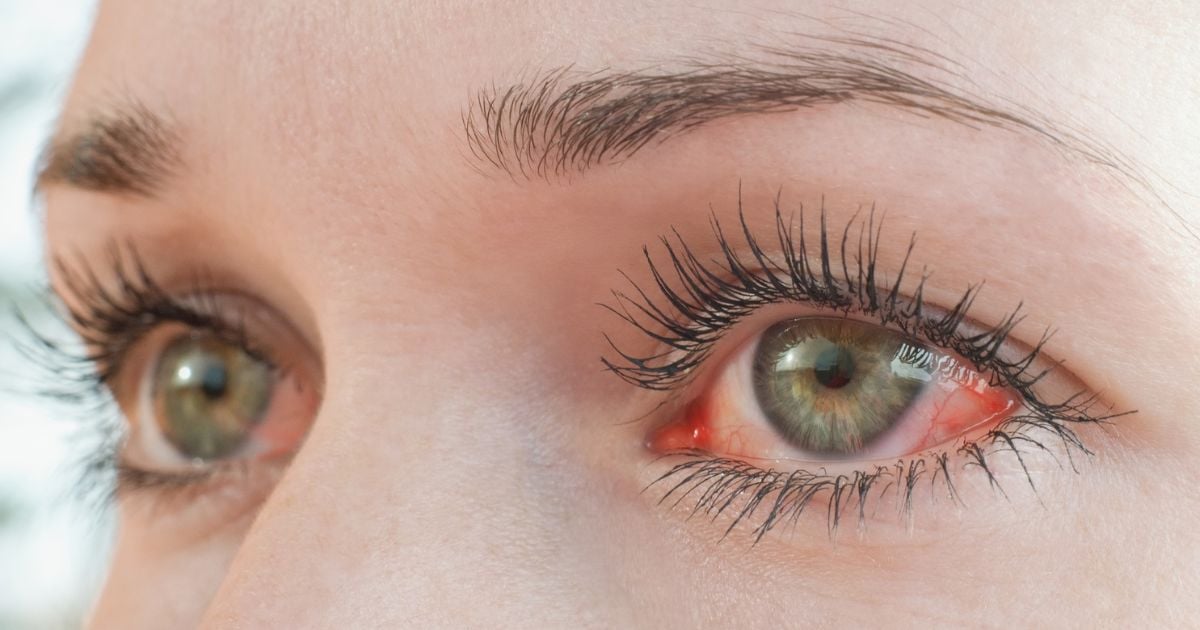
- Redness and irritation
- Symptoms that feel constant, rather than fluctuating
Because the issue is a lack of tear volume, blinking does not provide the same relief it might with other types of dry eye.
What Causes Aqueous Deficiency?
Common causes include:
- Aging – Tear production tends to decrease with age.
- Certain medications – Some medications reduce tear output as a side effect.
- Autoimmune conditions, such as Sjögren’s syndrome – These conditions can affect the glands responsible for producing tears.
Understanding the cause of aqueous deficiency helps guide treatment. The goal is not just to add moisture, but to support tear production and protect the eye over time.
Can You Have More Than One Type of Dry Eye?
Yes, many people have more than one type of dry eye at the same time. This is often called mixed dry eye.
In these cases, the tear film has more than one issue. The oil layer may be unstable, while tear production is also reduced. When both problems are present, symptoms can overlap and feel harder to interpret.
You might notice:
- Dryness that feels constant, but also worsens later in the day
- Blurry vision that comes and goes
- Irritation that does not fully improve with basic treatments
Because symptoms can blend together, it is not always clear what the underlying cause is. What feels like a single problem may actually involve multiple components of the tear film.
This is why self-diagnosis is often unreliable. Treating only one aspect of dry eye does not address the full picture, leading to ongoing discomfort.
Why a Proper Diagnosis Changes Treatment Outcomes

A proper evaluation helps identify all contributing factors so treatment is more targeted and effective. Dry eye may seem simple, but diagnosing it correctly requires a closer look at how your tear film functions.
During an eye exam, your provider evaluates several key areas:
- Tear production – Are your eyes making enough tears to stay hydrated?
- Tear stability – How long do your tears remain on the surface before breaking up?
- Gland function – Are the oil glands in your eyelids working properly?
These details help identify the type of dry eye you have, and treatment is then matched to the underlying cause.
- For evaporative dry eye, treatment focuses on improving the oil layer, often by addressing Meibomian gland dysfunction and helping the glands function more effectively.
- For aqueous-deficient dry eye, treatment focuses on increasing tear production and helping the eyes retain moisture longer.
When treatment is based on the correct diagnosis, it targets the source of the problem rather than just the symptoms. This leads to more consistent, long-term relief instead of short-term fixes that need to be repeated.
When to See an Eye Doctor for Dry Eye
Dry eye symptoms can come and go, but some signs suggest the need for a closer evaluation. You should consider seeing an eye doctor if you notice:
- Symptoms that persist or worsen – Ongoing dryness, irritation, or burning that does not improve over time.
- Reliance on artificial tears without relief – Using drops often, but still feeling uncomfortable.
- Vision changes or daily discomfort – Blurry vision, eye fatigue, or irritation that affects reading, screen use, or driving.
If your symptoms are not improving, a proper diagnosis will help you move toward lasting relief rather than temporary fixes.
At Heart of Texas Eye Care, dry eye evaluations focus on identifying the specific cause of your symptoms so your care is tailored to what your eyes actually need. Call us at (512) 213-2220 or schedule your eye exam today!
We serve patients in Dripping Springs, Austin, Kyle, Bee Cave, Marble Falls, and other surrounding areas.
Related Posts