Glaucoma Treatment Options: What to Expect from Drops, Lasers, and Surgery
February 26, 2026
Glaucoma is a lifelong condition that requires ongoing care, even when vision feels stable. Many people begin treatment before symptoms affect daily life. As the condition develops or stabilizes, treatment may be adjusted to keep eye pressure controlled.
What Is the Goal of Glaucoma Treatment?

The main goal of treatment is to protect the optic nerve by keeping eye pressure at a safe level since glaucoma damages vision gradually (often without early warning signs).
Here is what that goal means in practical terms:
- Vision loss from glaucoma cannot be reversed. Treatment is only meant to prevent further damage.
- Early and consistent treatment helps preserve remaining vision. Starting treatment as soon as glaucoma is diagnosed gives the best chance of slowing progression. Staying consistent with care matters just as much as starting early.
- Most patients need long-term monitoring, even when symptoms are minimal. Glaucoma often progresses quietly. Regular eye exams help confirm that treatment is working and allow adjustments before vision changes occur.
Glaucoma Treatment Options
Treatment often begins with the least invasive option and adjusts over time based on how the eyes respond.
Eye Drops
Glaucoma eye drop medications lower eye pressure in one of two main ways. Some drops reduce the amount of fluid the eye produces. Others help fluid drain more effectively. Many patients use a combination, depending on their pressure goals and response.
Eye drops are often the first treatment choice because they are effective and noninvasive for many types of glaucoma.
What to Expect with Eye Drop Treatment
Using eye drops is a daily, long-term commitment. Consistency matters because missed doses can allow eye pressure to rise, even if vision feels unchanged.
Patients should also know:
- Side effects can occur. These may include redness, irritation, or dry eyes. If side effects interfere with daily use, the medication can often be adjusted.
- Technique matters. Proper drop placement helps the medication work better and reduces waste.
- Follow-up is important. Regular visits confirm whether the drops are controlling pressure as intended.
For many people, glaucoma medication provides reliable control when used as directed.
Laser Treatment
Laser treatment for glaucoma helps lower eye pressure by improving fluid drainage or reducing fluid production. It is recommended when eye drops do not lower pressure enough, difficult to tolerate, or compliance is poor.
Common glaucoma laser treatment options include:
- Selective laser trabeculoplasty (SLT): Used most often for open-angle glaucoma. SLT targets the eye’s drainage system to help fluid exit more easily.
- Laser iridotomy for narrow-angle glaucoma: Creates a small opening in the iris to improve fluid flow and reduce the risk of sudden pressure spikes.
What Patients Can Expect
Laser treatment is usually done in the office and takes only a short time. Recovery is minimal, and most patients return to normal activities the same day.
In some cases, laser treatment may:
- Lower eye pressure enough to reduce medications
- Delay the need for additional treatments
- Improve pressure control when drops alone are not sufficient
Your eye doctor will recommend laser treatment based on your glaucoma type, pressure levels, and response to other therapies.
Surgery
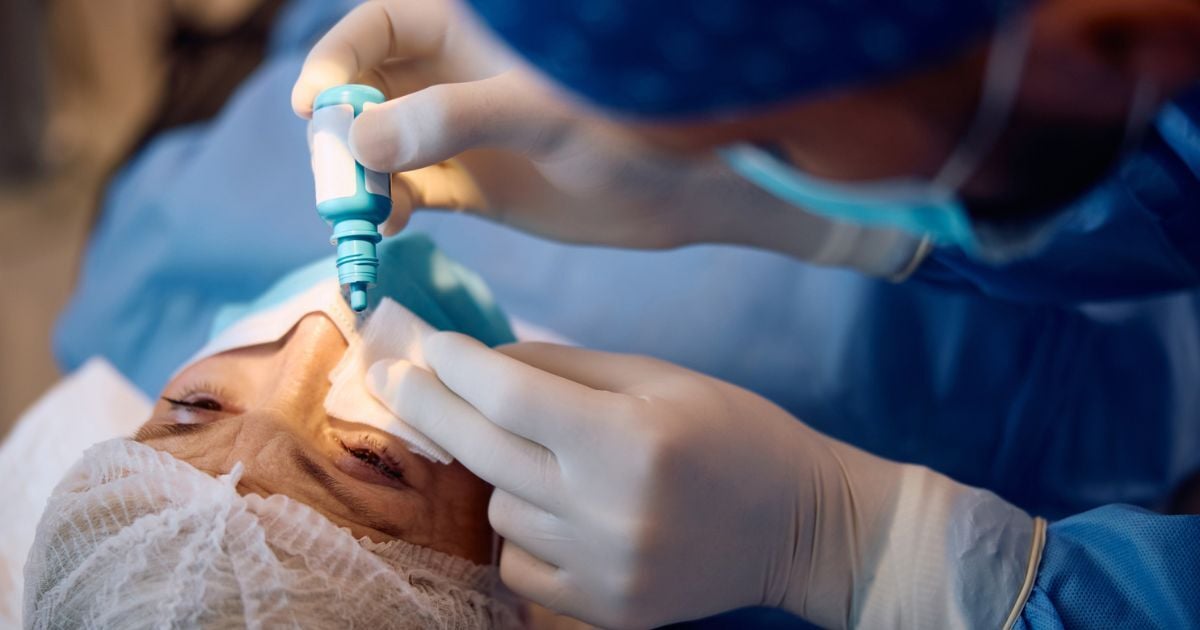
Surgery is considered when other glaucoma treatments do not lower eye pressure enough or when the disease continues to progress despite careful management. It is not a first step for most patients, but it can be an option when additional pressure control is needed.
Surgery is typically recommended when:
- Eye drops and laser treatments are no longer controlling pressure adequately.
- Glaucoma shows signs of progression over time.
- Medication side effects or daily use make long-term treatment difficult.
The goal of surgery is the same as the other treatments: to lower eye pressure and protect the optic nerve.
Surgical Options
Advances in glaucoma care have expanded surgical options, allowing treatment to match disease severity and patient needs better.
- Minimally invasive glaucoma surgery (MIGS): MIGS procedures use small devices or techniques to improve fluid drainage with less disruption to the eye. These options are often used in earlier stages of glaucoma or combined with cataract surgery.
- Traditional filtering or drainage procedures: In more advanced cases, standard surgeries may be recommended to create a new drainage pathway or control pressure more aggressively. These procedures are well established and used when stronger pressure reduction is required.
- Cataract surgery or lensectomy: In narrow angle glaucoma, removing the natural lens of the eye opens more space in the angle and can lower the pressure, remove the risk of a narrow angle glaucoma attack, and has the additional benefit of improved vision in most cases.
Your eye doctor will explain which option fits your condition and why it is being considered.
How Glaucoma Risk Factors Affect Treatment Decisions
Glaucoma treatment is not based solely on eye pressure. Individual risk factors help determine how closely glaucoma is monitored and how aggressive treatment needs to be over time.
Some of the most important glaucoma risk factors include age, family history, and eye structure. Certain eye shapes or drainage angles increase the likelihood of pressure-related damage and may influence which treatments are safest and most effective.
Other health conditions also matter, such as diabetes, heart disease, or circulation issues. These can affect how the optic nerve responds to pressure and how well some treatments are tolerated. Medications used for other health concerns may also factor into treatment choices.
Risk factors guide both treatment intensity and follow-up care. Patients with higher risk may need lower pressure targets, more frequent exams, or earlier use of laser or surgical options. Those with lower risk and stable findings may be managed with less intensive treatment and regular monitoring.
Using glaucoma risk factors as part of treatment planning allows care to stay proactive. The goal is to match treatment and monitoring to the level of risk, helping protect vision over time.
Why Treatment Plans Change Over Time
Glaucoma is a long-term condition, and no single treatment works the same forever. Eye pressure targets may change, medications may become less effective, or lifestyle needs may shift.
Adjusting treatment is not a setback. It is part of careful, ongoing care aimed at protecting vision for the long term.
When to Talk to Your Eye Doctor About Changing Treatment
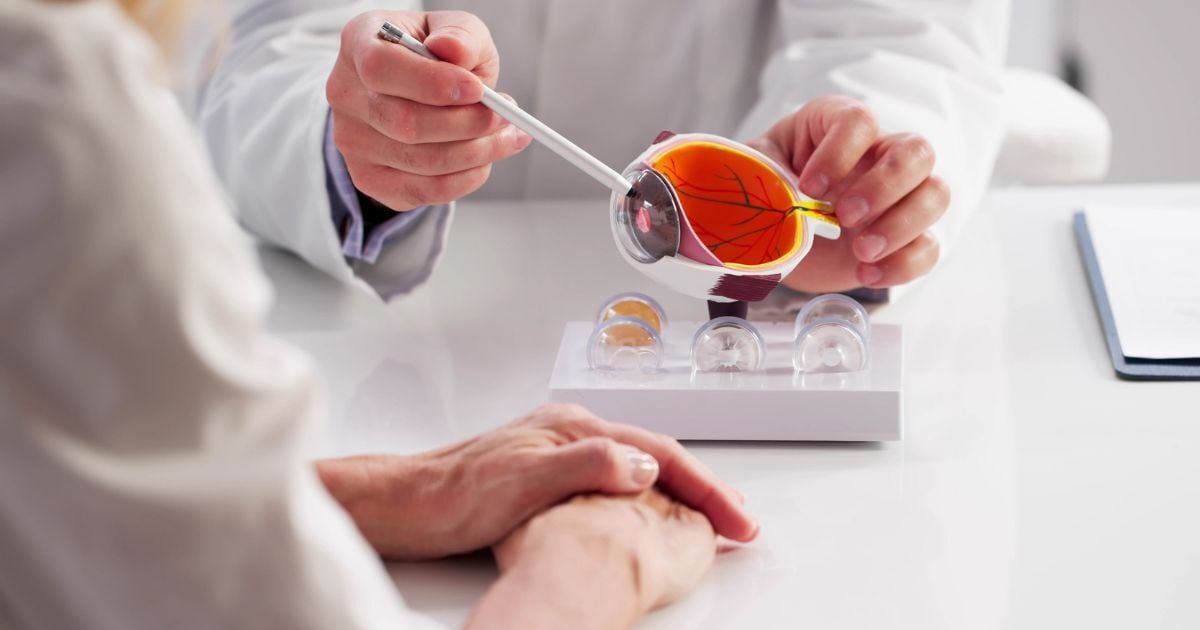 Speaking up when something changes helps your eye doctor keep your care on track. You should contact your eye doctor if you notice any of the following:
- Side effects from medications. Ongoing redness, irritation, or discomfort can make daily drops hard to maintain.
- Vision changes. Any new blur, loss of peripheral vision, or visual discomfort should be reported promptly so it can be evaluated.
- Difficulty following the treatment plan. Missed doses, trouble using drops, or scheduling challenges are common and should be discussed. Treatment works best when it fits your daily life.
Reaching out early does not mean something is wrong. It allows your care team to adjust treatment before small issues become bigger concerns.
Modern Glaucoma Care Is Personalized Care
Glaucoma treatment is not a one-time decision. It is an ongoing process guided by eye pressure, risk factors, treatment response, and daily life considerations. If you have glaucoma or have been told you are at risk, a comprehensive eye exam is the best way to understand your options.
The team at Heart of Texas Eye Care provides personalized glaucoma care focused on long-term vision protection. Schedule your eye exam today to review your eye health, ask questions, and discuss a treatment plan tailored to your needs.
We serve patients in Dripping Springs, Austin, Kyle, Bee Cave, Marble Falls, and the surrounding areas.
Related Posts