Why Artificial Tears Are Not Enough for Chronic Dry Eye
April 30, 2026
Eye drops for chronic dry eye are lubricating artificial tears designed to add moisture and reduce irritation on the surface of your eyes. They help relieve common symptoms like dryness, burning, or a gritty feeling.
However, drops for chronic dry eye do not help relieve the underlying cause of the condition. This is why many people find that even the best eye drops provide short-term relief and not long-term improvement.
What Artificial Tears Can Do

Artificial tears are helpful, especially in the early stages of dry eye or during occasional flare-ups. They are designed to support the surface of your eyes when natural tears are not enough.
They can:
- Provide temporary lubrication to help reduce dryness and keep the eye surface more comfortable.
- Improve comfort for mild dryness, especially if your symptoms come and go or are not severe.
- Help with environmental or short-term irritation like dry air, screen use, wind, or seasonal changes.
For many people, eye drops are a good first step. They work best when symptoms are mild or caused by temporary conditions rather than an ongoing imbalance.
What Artificial Tears Cannot Do
Artificial tears do make your eyes feel better, but they do not treat the underlying cause of chronic dry eye.
They do not:
- Treat inflammation, a common driver of long-term dry eye symptoms.
- Correct oil gland dysfunction (MGD), which is when the glands that keep tears from evaporating are not working properly.
- Restore natural tear production, especially in more advanced or ongoing cases.
- Stop the progression of chronic dry eye if symptoms continue or worsen over time.
- Treat the specific type of dry eye, such as evaporative or aqueous deficiency.
Relief is not the same as treatment. So you might feel better for a short time, but the condition itself is still present and often continues to progress in the background.
What Dry Eye Actually Is
Chronic dry eye develops for various reasons, and each type affects your eyes differently. The two most common types are:
- Evaporative dry eye – often linked to oil gland dysfunction (meibomian gland dysfunction or MGD), where tears evaporate too quickly.
- Aqueous dry eye – when your eyes do not produce enough tears to stay properly hydrated.
These causes require different approaches to care. However, most drops for chronic dry eye do not address either one. Artificial tears only add temporary moisture to the surface of the eye. They do not improve oil gland function or increase natural tear production.
To better understand how these types differ and why it matters for treatment, read our guide on evaporative vs aqueous dry eye.
Chronic Dry Eye Requires Targeted Treatment
Drops for dry eye only address the surface symptoms. They add moisture but do not correct underlying issues (such as inflammation or tear instability).
That is why many people continue to struggle with symptoms even when using lubricating eye drops regularly. For long-term relief, treatment needs to match the cause.
What Happens When Dry Eye Goes Untreated
Chronic dry eye often worsens over time when the underlying cause is not addressed. What starts as mild irritation can become more persistent and harder to manage.
You may experience:
- Increasing discomfort – dryness, burning, and a gritty sensation that becomes more constant.
- Damage to the eye surface – ongoing irritation can affect the cornea, making the eyes more sensitive.
- Reduced quality of life – reading, screen use, driving, and daily tasks may become more difficult or uncomfortable.
Without targeted care, the condition will continue to progress even if symptoms are temporarily relieved by eye drops.
Signs Your Eye Drops Are No Longer Enough
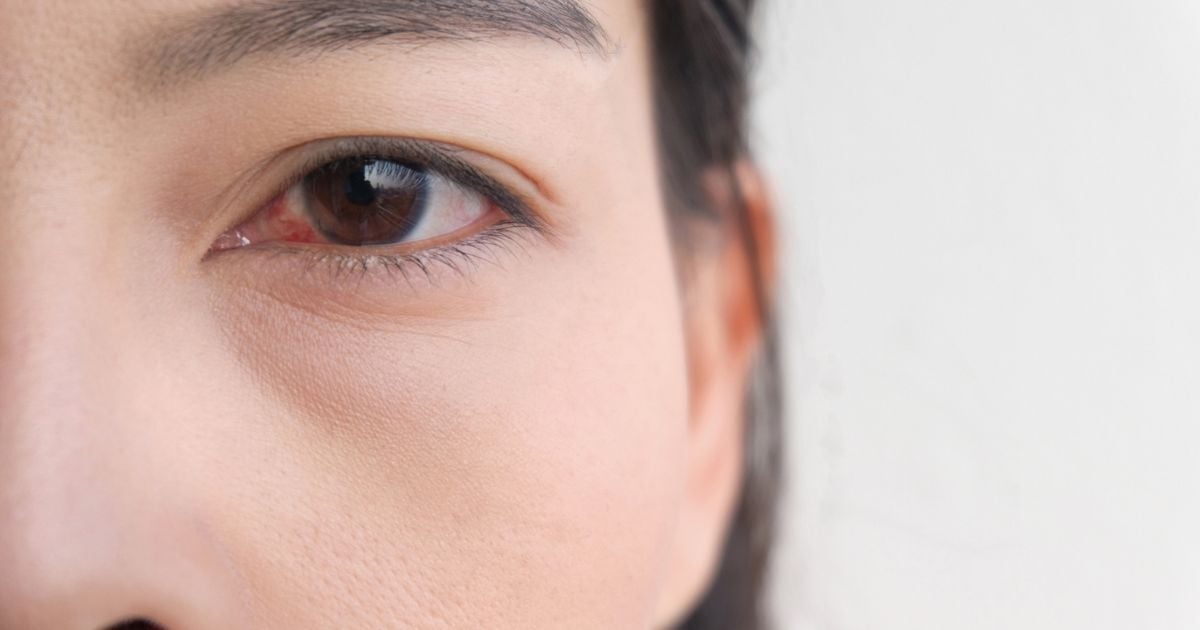
Dry eye drops usually help at first, but over time, you may notice they stop working as well. Watch for these signs:
- You need to reapply often just to stay comfortable.
- Relief lasts only a few minutes, and symptoms return quickly after each use.
- Symptoms are getting worse over time (dryness, irritation, or discomfort).
- Burning, redness, or blurred vision do not improve even with regular use.
This is when deeper treatment is needed to address what is causing the symptoms, not just how they feel.
When to See an Eye Doctor for Dry Eye
When your dry eye drops are no longer enough, the next step is to understand what is causing your symptoms. You should consider seeing an eye care provider if:
- Drops are no longer effective
- Symptoms are interfering with daily life
- Your vision fluctuates
These signs usually point to an underlying issue that needs more than surface-level care.
A proper evaluation helps identify which type of dry eye you have and what is driving it. From there, treatment is tailored to address the cause rather than just the symptoms.
How Chronic Dry Eye Is Treated Beyond Drops
When drops are no longer enough, treatment shifts from temporary relief to addressing the underlying cause.
Depending on what is driving your symptoms, care may include:
- Anti-inflammatory therapies to reduce inflammation that disrupts tear production and damages the eye surface.
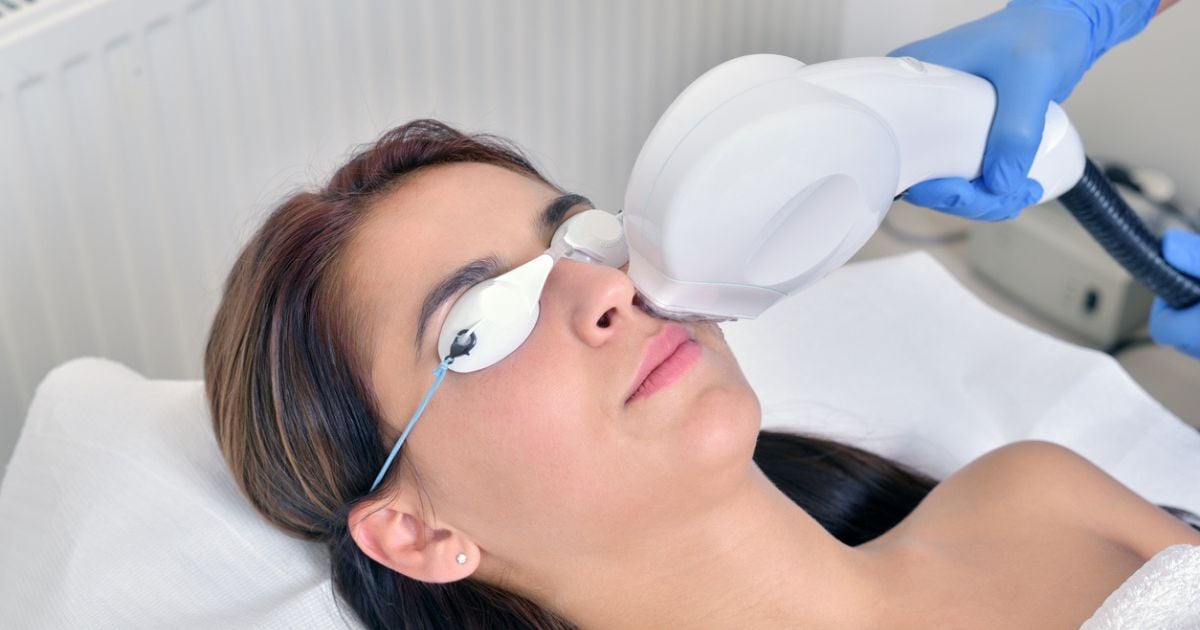
- In-office treatments for targeted procedures that support tear quality, improve gland function, or stabilize the tear film.
- Personalized care plans with a combination of treatments and at-home support based on your specific type of dry eye.
The goal is not just short-term comfort, but lasting improvement based on what your eyes actually need.
Why Drops Alone Are Not Enough for Chronic Dry Eye
If you find yourself relying on drops more often or getting less relief, it is time to take the next step. Understanding the cause of your symptoms is what leads to real, lasting improvement.
To learn more about available care and what to expect, schedule an appointment with Heart of Texas Eye Care or call us at (512) 213-2220.
With the right diagnosis and a targeted approach, dry eye can be managed so your eyes feel comfortable throughout the day.
Related Posts