Is IPL Right for Your Dry Eye? Signs You May Be a Good Candidate
June 11, 2026
Dry eye symptoms can become difficult to ignore when burning, irritation, or blurry vision start affecting your daily routine. For some people, artificial tears provide temporary relief. For others, symptoms continue returning despite using drops, warm compresses, or other home remedies.
That is one reason more patients are exploring IPL treatment for dry eye.
What Is IPL for Dry Eye?

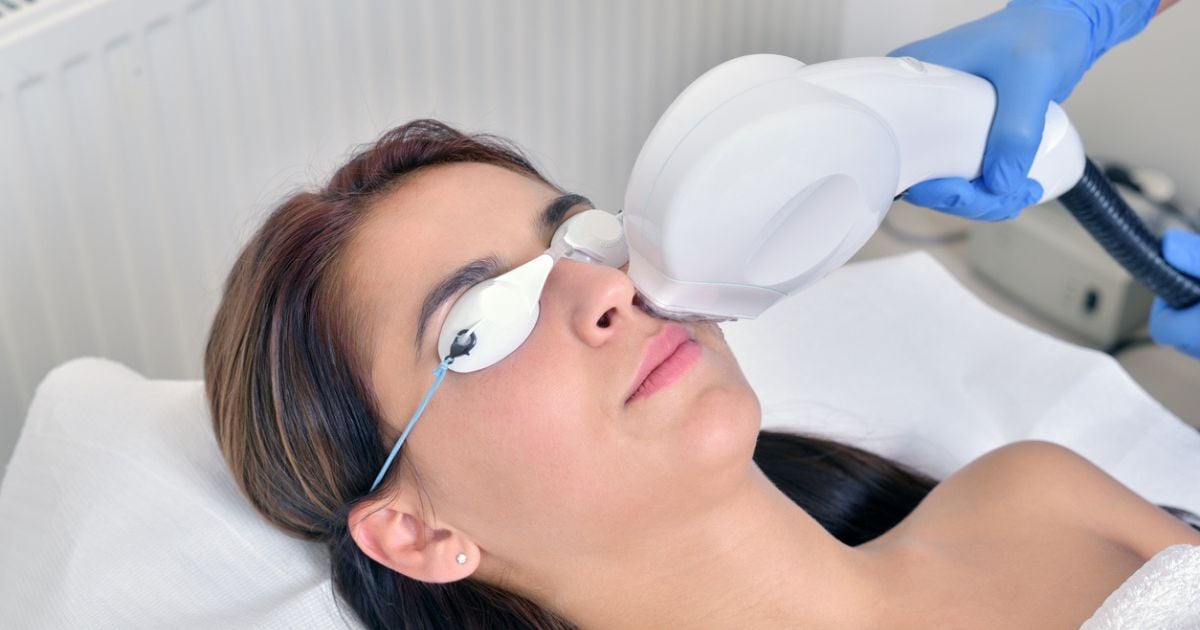
IPL (intense pulsed light) treatment for dry eye uses controlled pulses of light around the eyes to improve tear stability and reduce inflammation linked to certain forms of dry eye disease. IPL treatment focuses on improving how the tear film functions over time.
IPL is most commonly used for evaporative dry eye caused by meibomian gland dysfunction (MGD). In these cases, the problem is often related to poor oil quality or blocked glands rather than a lack of tears alone. That distinction matters because different causes of dry eye respond to different treatments.
While lubricating eye drops may help relieve symptoms temporarily, IPL treatment for dry eye is designed to address part of the underlying dysfunction that contributes to ongoing irritation.
For a deeper look, read How IPL Therapy Helps Treat Dry Eye.
Who May Benefit Most From IPL Treatment?
IPL treatment for dry eye is most commonly used for patients with evaporative dry eye and meibomian gland dysfunction (MGD).
A comprehensive exam is still necessary to determine whether IPL is appropriate for your dry eye, but some symptoms and conditions are more commonly associated with patients who benefit from treatment.
Patients With Meibomian Gland Dysfunction (MGD)
Many patients who respond well to IPL have MGD. The meibomian glands are tiny oil-producing glands located along the eyelids. These oils help keep tears from evaporating too quickly.
When the glands become blocked or unhealthy, the tear film becomes unstable. This can lead to symptoms such as:
- Burning or stinging eyes
- A gritty or sandy sensation
- Irritation that worsens throughout the day
- Excessive tearing
- Eye fatigue during screen use
IPL treatment for dry eyes helps improve gland function and support healthier oil flow within the tear film.
People With Chronic Evaporative Dry Eye
Evaporative dry eye happens when tears disappear too quickly from the eye surface. In many cases, this is linked to poor oil quality or blocked meibomian glands.
People with evaporative dry eye may notice:
- Blurry vision that improves after blinking
- Dryness during reading or screen use
- Sensitivity to wind or air conditioning
- Symptoms that return quickly after using artificial tears
- Frequent reliance on eye drops throughout the day
Because IPL targets inflammation and gland function, it is most commonly associated with evaporative dry eye rather than tear deficiency alone.
(Note: Evaporative dry eye differs from aqueous-deficient dry eye, where the body does not produce enough tears overall. Some patients experience both conditions at the same time, which is why a proper diagnosis is important.)

Patients With Inflammation-Related Dry Eye Symptoms
Inflammation is a major factor in many cases of chronic dry eye. Once irritation develops, inflammation can continue to disrupt tear stability and gland function, creating an ongoing cycle of discomfort.
Symptoms linked to inflammation may include:
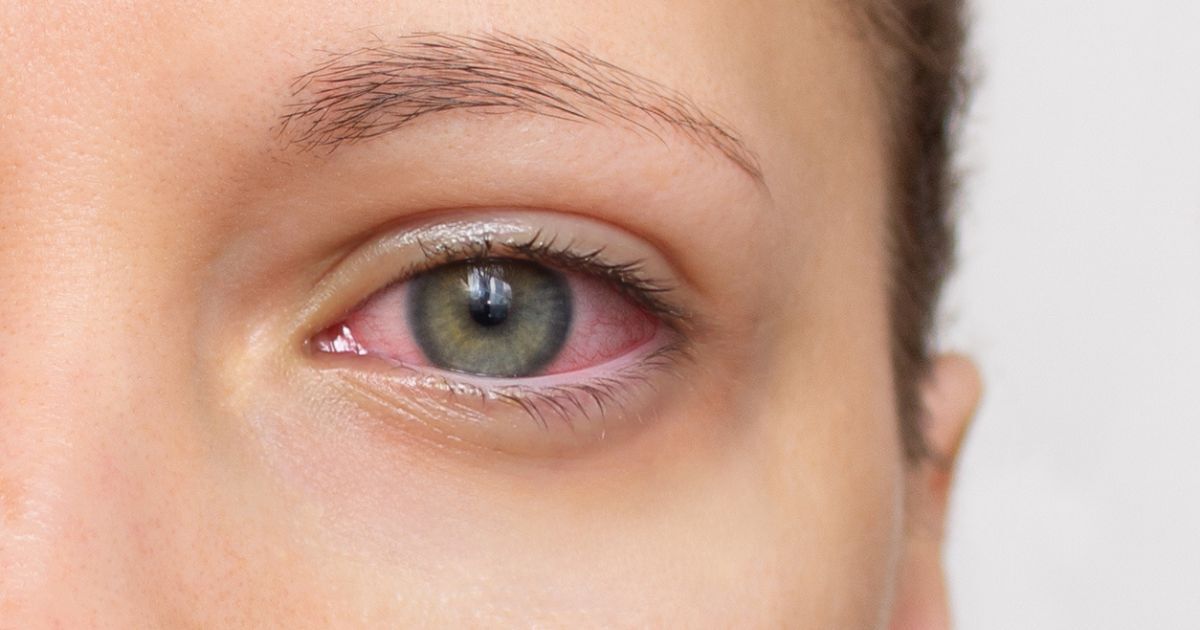
- Persistent redness
- Visible blood vessels around the eyes
- Swollen or irritated eyelids
- Burning sensations
- Chronic eye discomfort
Some patients with facial rosacea also experience inflammation-related dry eye symptoms connected to MGD. In these situations, IPL helps reduce some of the inflammatory changes contributing to irritation.
People Looking for Long-Term Dry Eye Management
Some patients explore IPL therapy because they want more than short-term symptom relief. Artificial tears can still help, but they may not fully address the underlying issues causing chronic irritation.
IPL supports long-term symptom management for some patients, especially when combined with other dry eye relief options. For many people, the most effective dry eye treatment plan involves addressing multiple factors affecting tear stability and eye comfort over time.
When IPL May Not Be the Best Dry Eye Treatment
IPL can be very helpful for some patients, but it is not the best fit for every type of dry eye. Dry eye disease can develop from several different causes, and effective treatment depends on understanding what is driving your symptoms.
Some Dry Eye Cases Require Different Treatments
Some patients need treatments that focus on tear production rather than tear evaporation. Others have structural or medical factors contributing to irritation that IPL alone does not fully address.
For example, different treatment approaches may be needed for:
- Autoimmune-related dry eye conditions
- Severe aqueous tear deficiency
- Eyelid positioning problems
- Incomplete blinking
- Certain corneal surface conditions
This does not necessarily mean IPL cannot be part of treatment, but it may not be the primary solution. In many cases, identifying the root cause of dry eye symptoms leads to more effective long-term management.
Certain Skin Types or Medical Conditions Affect Eligibility
IPL treatment for dry eye is not appropriate for every patient. Skin type, medical history, medications, and other health considerations affect candidacy and treatment planning.
For example, some patients may require additional precautions based on:
- Skin sensitivity
- Certain pigmentation levels
- Light-sensitive conditions
- Medication use
- Active skin conditions near the eyes
This is one reason professional screening is important before beginning IPL therapy. A personalized exam helps determine whether IPL is both appropriate and safe for your specific situation.
IPL Is Usually Part of a Larger Dry Eye Treatment Plan
Even when IPL treatment is recommended, it is often combined with other therapies to improve tear stability and eye comfort.
A treatment plan may also include:
- Lid hygiene routines
- Prescription eye drops
- Artificial tears
- Meibomian gland expression
- Warm compresses
- Lifestyle and environmental adjustments
For many patients, long-term improvement comes from addressing multiple factors that contribute to dry eye symptoms rather than relying on a single solution.
What Happens During IPL for Dry Eye?
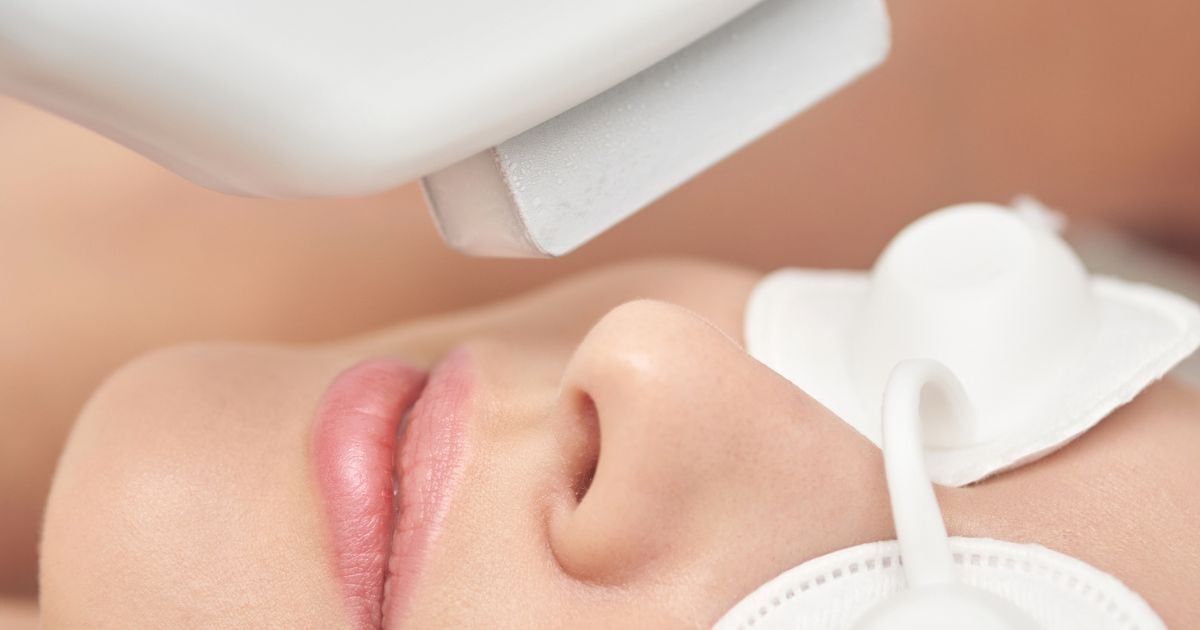
IPL treatment is typically performed during short in-office visits with little to no downtime afterward.
During the Procedure
During treatment, protective shields are placed over the eyes while controlled pulses of light are applied around the eyelids and upper cheeks. Patients often describe the sensation as mild warmth or a quick, snapping sensation on the skin.
How Many IPL Sessions Are Needed
IPL is usually performed as a series of treatments rather than a single visit. The number of sessions depends on factors such as symptom severity, gland function, and how the eyes respond.
Recovery and Downtime
Most patients return to normal daily activities shortly after treatment. Mild temporary redness, warmth, or skin sensitivity can occur, but these effects are typically short-lived.
How Much Does IPL for Dry Eye Cost?
The cost of IPL treatment varies depending on several factors, including:
- The number of treatment sessions needed
- The severity and type of dry eye disease
- Whether additional therapies are combined with IPL
- The provider’s experience and technology used
Some patients only require a limited series of treatments, while others benefit from ongoing dry eye management over time. In some cases, IPL is combined with procedures such as meibomian gland expression or prescription therapies to improve overall results.
In many cases, patients can expect IPL treatment to range from a few hundred dollars per session to several thousand dollars for a full treatment series.
A personalized evaluation helps determine which treatments are most appropriate for your symptoms and eye health.
Does Insurance or Medicare Cover IPL for Dry Eye?
In many cases, IPL is considered an elective or non-covered procedure, which means it may not be included in standard insurance or Medicare benefits.
However, coverage policies differ depending on:
- Your insurance provider
- Your diagnosis
- Other treatments being used
- Your specific plan details
If you are considering IPL for dry eye, it is a good idea to speak with both your eye care provider and insurance carrier about expected costs and coverage options before beginning treatment.
The Right Treatment Starts With the Right Diagnosis
If you continue to experience burning, blurry vision, redness, or frequent reliance on artificial tears, it may be time to look beyond temporary symptom relief.
Contact Heart of Texas Eye Care online or call us at (512) 213-2220 to schedule a dry eye evaluation to learn more about dry eye relief options and determine whether IPL is appropriate for your symptoms.
Related Posts